
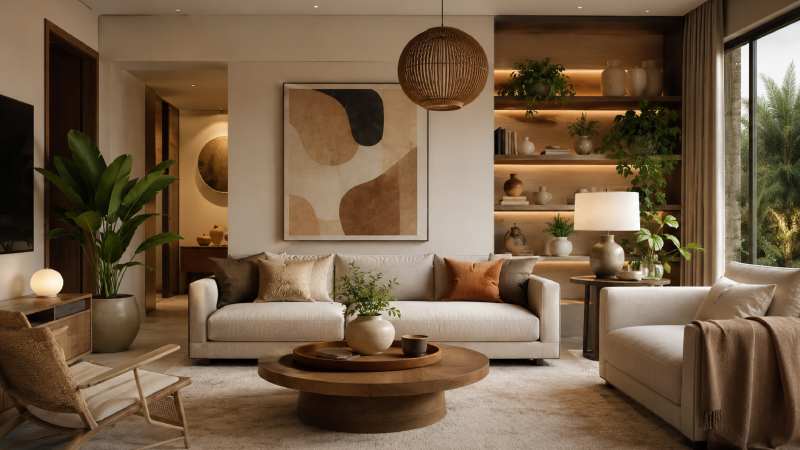
Interior design is more than arranging furniture or choosing attractive colors.It focuses on designing spaces that are both practical and visually appealing while ensuring maximum comfort. Whether you are decorating a new home or refreshing an existing one, improving your interior design skills can completely transform your living environment.
This guide on How to Be Better at Interior Design MintPalDecor explores essential design principles, practical decorating techniques, and professional tips that help homeowners create stylish interiors without unnecessary expense. By understanding the basics and applying thoughtful design decisions, anyone can build a home that reflects their personality while maintaining comfort and functionality.
Understand the Purpose of Every Room
Every successful interior begins with a clear understanding of how the room will be used. Before purchasing furniture or selecting paint colors, define the room’s primary purpose.
Ask yourself:
- Who will use this room?
- What activities happen here?
- How much storage is required?
- How much natural light enters the space?
For example:
- A living room should encourage conversation and relaxation.
- A bedroom should promote comfort and peaceful sleep.
- A home office should improve productivity.
- A dining room should feel welcoming for family gatherings.
Understanding functionality is the first step in mastering How to Be Better at Interior Design MintPalDecor.
Learn the Basic Principles of Interior Design
Professional designers rely on several fundamental principles that work in every home.
Balance
Balance distributes visual weight evenly throughout a room.
There are three types:
- Symmetrical balance
- Asymmetrical balance
- Radial balance
Balanced rooms naturally feel organized and comfortable.
Harmony
Harmony connects colors, furniture, textures, and accessories into one cohesive style.
Choose pieces that complement each other rather than competing for attention.
Contrast
Contrast creates visual interest.
Examples include:
- Dark furniture against light walls
- Smooth wood with soft fabrics
- Modern lighting with classic furniture
A room without contrast often feels flat.
Rhythm
Rhythm guides the eye throughout the room.
Repeat:
- Colors
- Shapes
- Materials
- Patterns
Repeating design elements creates consistency.
Proportion
Large furniture in a tiny room feels overwhelming.
Small furniture inside a large room appears insignificant.
Always match furniture size to room dimensions.
Choose the Right Color Palette
Color dramatically influences mood.
When learning How to Be Better at Interior Design MintPalDecor, selecting the right palette becomes one of the most important decisions.
Popular color schemes include:
Neutral Colors
- White
- Beige
- Gray
- Cream
Perfect for modern and timeless interiors.
Earth Tones
- Olive green
- Brown
- Terracotta
- Sand
Ideal for warm and cozy homes.
Cool Colors
- Blue
- Green
- Lavender
Create calm and relaxing environments.
Bold Accent Colors
- Mustard
- Emerald
- Navy
- Burgundy
Use these sparingly through pillows, artwork, or rugs.
Focus on Lighting
Lighting can completely transform a room.
Professional interiors combine three types of lighting.
Ambient Lighting
Provides general illumination.
Examples:
- Ceiling lights
- Chandeliers
- Recessed lighting
Task Lighting
Supports specific activities.
Examples:
- Reading lamps
- Desk lamps
- Under-cabinet kitchen lights
Accent Lighting
Highlights decorative features.
Examples:
- Wall sconces
- Picture lights
- LED strips
- Display cabinet lighting
Layering these light sources creates depth and atmosphere.
Invest in Quality Furniture
Furniture serves both practical and decorative purposes.
Instead of filling every room with inexpensive items, prioritize fewer pieces with better quality.
Look for furniture that offers:
- Durability
- Comfort
- Timeless style
- Functional storage
Avoid overcrowding.
Leaving empty space makes rooms appear larger and more luxurious.
Master Furniture Placement
Even expensive furniture looks unattractive when arranged poorly.
Some useful placement tips include:
- Leave comfortable walking paths.
- Avoid pushing every piece against walls.
- Create conversation areas.
- Anchor seating with rugs.
- Maintain visual balance.
Proper layout instantly improves any interior.
Use Texture to Add Depth
Texture prevents rooms from looking plain.
Mix materials such as:
- Wood
- Leather
- Cotton
- Velvet
- Glass
- Metal
- Stone
- Woven baskets
Combining textures creates warmth and sophistication.
Decorate with Natural Elements
Nature never goes out of style.
Indoor plants improve both aesthetics and air quality.
Popular options include:
- Snake Plant
- Peace Lily
- Monstera
- Rubber Plant
- Pothos
Natural materials such as wood, bamboo, stone, and linen also make interiors feel inviting.
Make Small Spaces Feel Bigger
Many homeowners struggle with limited space.
Fortunately, several design tricks create the illusion of larger rooms.
Use:
- Mirrors
- Light wall colors
- Multi-functional furniture
- Floating shelves
- Vertical storage
- Large windows
- Minimal clutter
Simple adjustments significantly improve compact interiors.
Add Personality Through Accessories
Accessories complete the design.
Examples include:
- Decorative pillows
- Rugs
- Artwork
- Candles
- Books
- Vases
- Sculptures
- Decorative trays
Avoid filling every surface.
Instead, select meaningful pieces that reflect your personality.
Create a Focal Point
Every room should have one feature that immediately attracts attention.
Examples include:
- Fireplace
- Statement artwork
- Feature wall
- Large window
- Stylish sofa
- Elegant dining table
Everything else should support the focal point rather than compete with it.
Organize Before Decorating
Beautiful homes remain organized.
Clutter hides even the best design.
Improve organization by using:
- Storage baskets
- Built-in cabinets
- Hidden storage benches
- Closet organizers
- Drawer dividers
Organization enhances functionality while maintaining visual appeal.
Mix Different Design Styles Carefully
Modern interiors often combine multiple styles.
Popular combinations include:
- Modern + Scandinavian
- Traditional + Contemporary
- Industrial + Rustic
- Minimalist + Japandi
Choose one dominant style and use the second as an accent.
Maintaining consistency prevents visual confusion.
Select the Right Flooring
Flooring establishes the room’s foundation.
Popular choices include:
Hardwood
Elegant and timeless.
Luxury Vinyl
Affordable and water-resistant.
Tile
Excellent for kitchens and bathrooms.
Carpet
Comfortable for bedrooms.
Natural Stone
Luxurious and highly durable.
Area rugs help define spaces while adding warmth.
Improve Wall Design
Walls provide opportunities for creativity.
Ideas include:
- Gallery walls
- Textured wallpaper
- Floating shelves
- Decorative molding
- Large artwork
- Accent paint colors
Well-designed walls make interiors feel complete.
Upgrade Window Treatments
Curtains influence both privacy and style.
Choose fabrics according to the room.
Examples:
- Linen for airy interiors
- Velvet for luxury
- Sheer curtains for natural light
- Blackout curtains for bedrooms
Hang curtains close to the ceiling to create the illusion of taller walls.
Incorporate Smart Storage Solutions
Storage should blend into the design.
Excellent options include:
- Under-bed storage
- Built-in shelving
- Storage ottomans
- Wall cabinets
- Floating entertainment units
Smart storage keeps interiors neat without sacrificing beauty.
Avoid Common Interior Design Mistakes
Many decorating mistakes can easily be prevented.
Avoid:
- Buying everything from one store
- Ignoring room measurements
- Choosing furniture that’s too large
- Using poor lighting
- Overdecorating
- Following every trend
- Forgetting functionality
- Using too many colors
Simple planning prevents expensive redesigns.
Stay Updated with Interior Design Trends
Interior design evolves each year.
Current trends include:
- Sustainable materials
- Earth-inspired color palettes
- Curved furniture
- Smart home integration
- Natural wood finishes
- Organic textures
- Minimalist décor
- Vintage-inspired accents
Rather than copying trends completely, adapt ideas that suit your lifestyle.
Develop Your Personal Style
One of the biggest lessons in How to Be Better at Interior Design MintPalDecor is understanding that every home should feel personal.
Take inspiration from magazines and online galleries, but avoid copying them exactly.
Your home should reflect:
- Your lifestyle
- Family needs
- Favorite colors
- Travel experiences
- Personal collections
- Cultural influences
Individuality makes a home memorable.
Budget-Friendly Interior Design Tips
Creating beautiful interiors doesn’t require a huge budget.
Affordable improvements include:
- Repainting walls
- Rearranging furniture
- Updating cabinet hardware
- Adding plants
- Changing throw pillows
- Installing new lighting
- Using removable wallpaper
- Refreshing old furniture with paint
Small updates often produce dramatic results.
Conclusion
Learning How to Be Better at Interior Design MintPalDecor is a rewarding journey that combines creativity, planning, and practical decision-making. By understanding design principles, selecting harmonious colors, improving lighting, arranging furniture thoughtfully, and adding meaningful decorative elements, anyone can transform ordinary rooms into inviting living spaces.
The key to successful interior design is balancing beauty with functionality. Focus on creating spaces that not only look impressive but also support your everyday lifestyle. With patience, inspiration, and continuous learning, your home can become a reflection of your personality while remaining comfortable, organized, and timeless. Following these principles will help you build interiors that are both elegant and practical for years to come.