
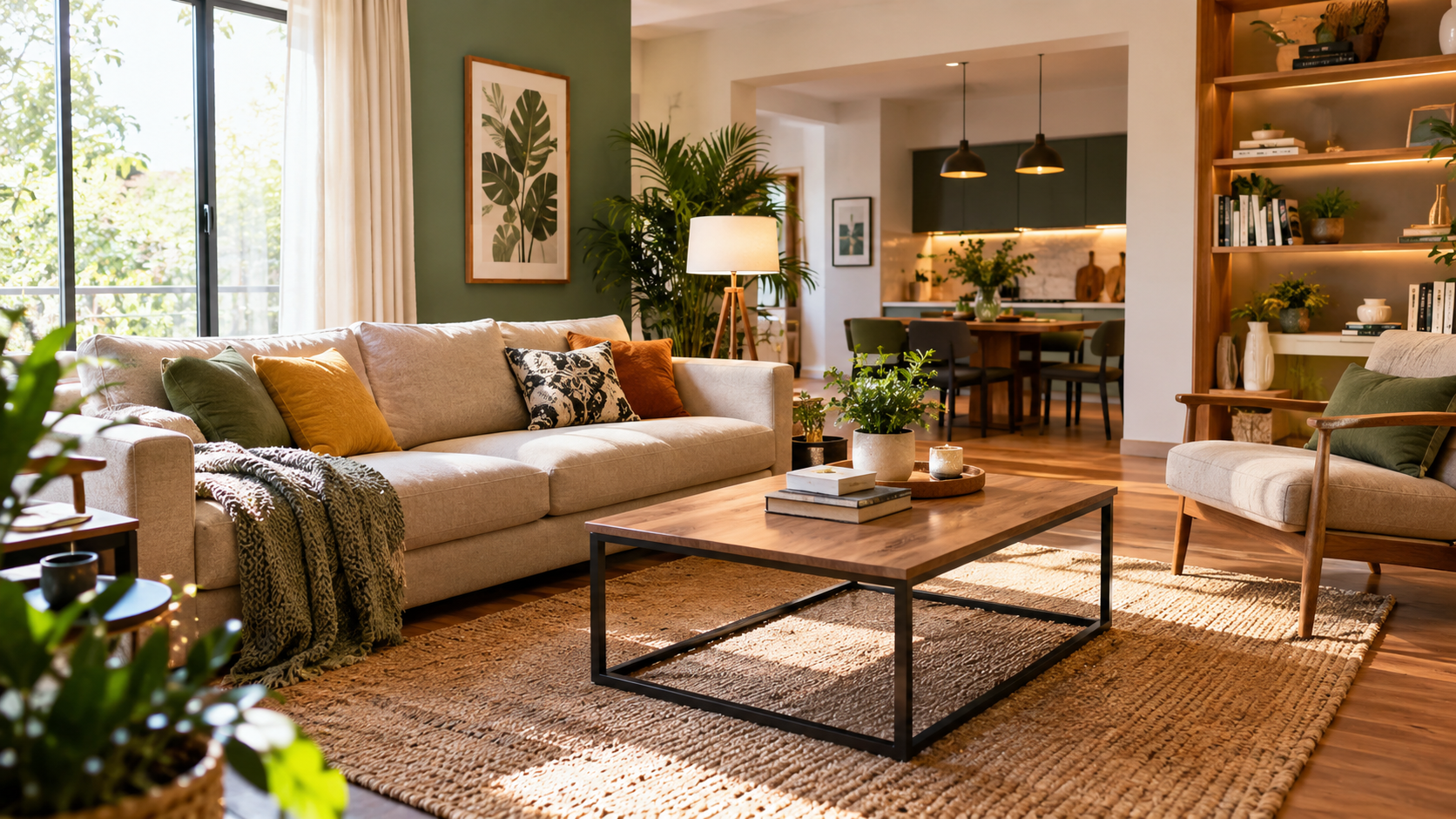
Interior design is one of the most interesting ways to express creativity while making everyday life more comfortable and enjoyable. It is much more than choosing attractive furniture, painting walls, or decorating rooms with beautiful accessories. Interior design combines imagination, functionality, colors, textures, lighting, and personal style to transform ordinary spaces into meaningful environments.
Every home has its own personality, and interior design helps bring that personality to life. A small apartment can become a welcoming and stylish place, while a large house can feel warm, organized, and comfortable through thoughtful design choices. People enjoy interior design because it gives them the freedom to experiment, discover new ideas, and create spaces that reflect their lifestyles.
The interesting part is that there is no single correct way to design a room. Different people have different preferences, and even a small change can make a significant difference. From modern furniture to traditional decorations, interior design offers endless opportunities to explore creativity.
Interior Design Encourages Creativity
One of the biggest reasons interior design is interesting is the opportunity it provides to express creativity. Designing a room allows people to experiment with different colors, furniture arrangements, decorative pieces, and materials.
For example, someone might prefer a modern living room with neutral colors, simple furniture, and clean lines. Another person might enjoy a colorful space filled with traditional patterns, wooden furniture, and decorative accessories.
Both approaches can create beautiful results because interior design is about personal expression.
People can also experiment with different themes, such as:
- Modern and contemporary interiors.
- Minimalist home decoration.
- Traditional and classic designs.
- Scandinavian-inspired spaces.
- Rustic and farmhouse interiors.
- Luxury and elegant decorations.
Trying different styles makes the design process exciting. It allows homeowners to discover what they enjoy and develop a unique appearance for their homes.
Colors Can Transform Any Room
Colors play an important role in interior design. They influence how a room looks, feels, and functions. Choosing the right color combination can make an ordinary space appear more attractive and balanced.
For example, light shades such as white, cream, and soft beige can make small rooms feel more open. Darker colors such as navy blue, charcoal, and forest green can introduce depth and elegance.
Different colors can also create different moods.
- Blue: Often creates a calm and peaceful atmosphere.
- Green: Brings a natural and refreshing feeling.
- Yellow: Adds warmth and energy.
- White: Creates a clean and spacious appearance.
- Beige: Provides a comfortable and timeless background.
- Grey: Offers a modern and sophisticated look.
Experimenting with colors is interesting because small adjustments can completely change the atmosphere of a room. Homeowners can use colorful cushions, curtains, rugs, and artwork to introduce new shades without making major changes.
It Makes Everyday Living More Comfortable
Interior design is not only about appearance. Comfort is equally important. A beautifully decorated room may look impressive, but it will not be successful if people cannot use it comfortably.
Good interior design considers how people move around a room, where they sit, how they work, and how they spend their time.
For example, a living room should provide comfortable seating and enough space for movement. A bedroom should support relaxation, while a kitchen should make cooking and organizing easier.
Some useful design improvements include:
- Choosing furniture that suits the room size.
- Keeping walking areas clear.
- Adding comfortable seating.
- Using suitable lighting.
- Creating practical storage solutions.
- Selecting materials that are easy to maintain.
These improvements make daily activities easier and help homeowners enjoy their surroundings.
Every Room Offers New Design Opportunities
Another reason interior design is interesting is that every room presents a different challenge. A bedroom, kitchen, bathroom, and living room all have different purposes.
This means designers must consider different requirements when planning each space.
Living Room
The living room is often the central gathering place in a home. Comfortable sofas, attractive lighting, rugs, and decorative accessories can create a welcoming environment.
Bedroom
A bedroom should feel peaceful and relaxing. Soft colors, comfortable bedding, suitable curtains, and warm lighting can help create a restful atmosphere.
Kitchen
A kitchen should combine beauty with practicality. Organized cabinets, useful countertops, appropriate lighting, and accessible storage make the space easier to use.
Bathroom
Bathrooms can become more attractive through suitable tiles, mirrors, storage cabinets, and well-planned lighting.
Home Office
A home office should support concentration and productivity. A comfortable chair, organized desk, sufficient lighting, and limited distractions can make a significant difference.
Each room requires a different approach, which keeps interior design creative and challenging.
Furniture Arrangement Makes a Big Difference
Furniture is one of the most important elements of interior decoration. Its placement can influence how spacious, organized, and comfortable a room feels.
For instance, placing a large sofa in the wrong position may block movement and make a living room appear smaller. Moving it toward a suitable wall or arranging it around a central table can improve the overall layout.
Furniture arrangement also helps establish the purpose of different areas.
In an open-plan home, a sofa and rug can separate the living area from the dining space without requiring walls. Similarly, a small desk placed in a quiet corner can create a useful working area.
Interior design becomes interesting because homeowners can try different arrangements until they find the most suitable solution.
Lighting Creates Atmosphere and Beauty
Lighting is another important reason people find interior design fascinating. The right lighting can make a room feel comfortable, elegant, bright, or relaxing.
Natural light is particularly valuable because it makes spaces feel fresh and welcoming. Large windows, light curtains, and well-positioned mirrors can help distribute daylight throughout a room.
Artificial lighting also provides many creative possibilities.
Common lighting options include:
- Ceiling lights for general illumination.
- Pendant lights for dining areas and kitchen islands.
- Table lamps for bedrooms and reading corners.
- Floor lamps for comfortable living spaces.
- Wall lights for decorative effects.
- LED lighting for modern interiors.
Combining different lighting sources can create a balanced environment. For example, a living room can have a central ceiling light, a floor lamp near the sofa, and subtle accent lighting around shelves.
Interior Design Reflects Personal Personality
A home is a personal environment, and its decoration often reflects the interests, preferences, and lifestyle of the people living there.
Some homeowners enjoy simple surroundings with minimal decorations. Others prefer colorful rooms filled with artwork, plants, books, and personal collections.
Interior design allows people to make their homes feel personal rather than copying an entire design from a magazine.
Family photographs, handmade decorations, favorite artwork, meaningful souvenirs, and unique furniture can all contribute to a home’s personality.
These details make interior design more than a decorative activity. They turn a living space into a place that feels familiar and meaningful.
Small Changes Can Produce Beautiful Results
One of the most exciting things about interior design is that expensive renovations are not always necessary. Sometimes, a few affordable changes can improve the appearance of an entire room.
For example, replacing old cushions, changing curtains, adding indoor plants, or rearranging furniture can create a fresh look.
Other simple improvements include:
- Adding a decorative mirror.
- Introducing a new area rug.
- Displaying attractive wall artwork.
- Organizing shelves.
- Changing lampshades.
- Using matching storage baskets.
- Adding fresh flowers or indoor plants.
These ideas are especially useful for people who want to improve their homes without spending too much money.
Small decorating projects also provide opportunities to learn new skills and discover creative solutions.
Interior Design Connects Nature With Indoor Spaces
Natural elements have become an important part of modern home decoration. Many people enjoy bringing outdoor beauty into their homes through plants, natural materials, and earthy colors.
Indoor plants can add freshness and visual interest to living rooms, bedrooms, kitchens, and office spaces.
Materials such as wood, stone, bamboo, cotton, and linen can also introduce natural textures.
For example, a wooden coffee table combined with green plants, neutral curtains, and soft lighting can create a warm and welcoming living room.
This approach is often associated with biophilic design, which focuses on creating stronger connections between people and nature through their surroundings.
It is interesting because even a few natural details can make an indoor environment feel more inviting.
Technology Is Changing Interior Design
Modern technology has made interior design more accessible and exciting. People no longer need to imagine every design change without visual assistance.
Digital tools can help homeowners explore furniture arrangements, experiment with color combinations, and visualize room layouts.
Some applications also provide 3D room planning, allowing users to see how different furniture pieces and decorations might look before purchasing them.
Smart home technology is another developing area. Automated lighting, smart thermostats, and connected window treatments can improve convenience while supporting modern interior styles.
Technology gives homeowners more opportunities to experiment and make informed decorating decisions.
Interior Design Can Improve Productivity
The environment around us can influence our daily habits and activities. A well-organized home can make it easier to concentrate, complete tasks, and maintain a comfortable routine.
For example, a home office with suitable lighting, a supportive chair, and an organized desk can provide a better working environment.
Similarly, a clean and organized kitchen can make meal preparation easier. A peaceful bedroom can provide a more relaxing environment at the end of the day.
Interior design is interesting because it connects visual beauty with practical improvements in everyday life.
Sustainable Interior Design Is Becoming Important
Sustainability is another fascinating aspect of interior design. More homeowners are becoming interested in environmentally responsible decorating choices.
Instead of replacing everything, people can reuse existing furniture, repair damaged items, choose durable materials, and purchase secondhand decorations.
Some practical sustainable ideas include:
- Reusing and restoring wooden furniture.
- Choosing energy-efficient LED lighting.
- Using natural and durable materials.
- Selecting furniture that lasts longer.
- Reducing unnecessary decorative purchases.
- Taking advantage of natural daylight.
These decisions can help reduce waste and encourage more thoughtful home improvement.
Sustainable design also demonstrates that attractive interiors do not always require expensive or excessive materials.
Interior Design Encourages Continuous Learning
Interior design is an interesting subject because it constantly offers something new to learn. Trends, materials, furniture styles, technologies, and decorating techniques continue to develop.
Someone interested in home decoration can gradually learn about color theory, space planning, lighting, furniture selection, and material combinations.
There are also many opportunities to gain practical experience. Rearranging a bedroom, decorating a living room, or improving a small corner can help develop design skills.
Learning from different interior styles can also inspire new ideas. Homeowners can explore traditional architecture, contemporary interiors, international design influences, and creative DIY projects.
This continuous learning makes interior design enjoyable for beginners as well as experienced enthusiasts.
Interior Design Makes Homes More Welcoming
A home should be a place where people feel comfortable, relaxed, and welcome. Interior design helps create an atmosphere that supports family activities and social gatherings.
A thoughtfully arranged living room encourages conversation. A comfortable dining area makes family meals more enjoyable. A welcoming entrance creates a positive first impression for visitors.
Even simple details, such as comfortable seating, soft lighting, attractive curtains, and organized spaces, can improve the overall experience of a home.
The goal is not to make every room look expensive. It is to create an environment that suits the people who use it.
Practical Tips for Beginners Interested in Interior Design
If you are new to interior design, you do not need professional experience to begin. Start with small projects and gradually develop your understanding of different design elements.
Here are some useful suggestions:
- Understand your space: Measure your room and identify its main purpose before purchasing furniture.
- Choose a color palette: Select two or three main colors that work well together.
- Focus on functionality: Make sure furniture and decorations support everyday activities.
- Use natural light: Keep windows clear and avoid blocking daylight.
- Experiment with textures: Combine wood, fabric, metal, and natural materials.
- Avoid overcrowding: Leave enough empty space to maintain a balanced appearance.
- Add personal details: Include artwork, photographs, plants, or meaningful accessories.
- Work within your budget: Improve one area at a time instead of changing everything together.
Following these simple suggestions can make the decorating process easier and more enjoyable.
Conclusion
Interior design is interesting because it combines creativity, personal expression, comfort, and practical problem-solving. It gives people the opportunity to transform ordinary rooms into beautiful and functional spaces that support their everyday lives.
From choosing colors and arranging furniture to improving lighting and introducing natural materials, every design decision offers an opportunity to explore something new. Even small decorating changes can make a home feel more welcoming and organized.
The most important thing is to create spaces that reflect personal preferences while meeting practical needs. A successful interior does not have to follow expensive trends or professional rules. It should make the people living in it feel comfortable and happy.
For anyone interested in improving their surroundings, exploring interior decoration ideas, or discovering creative home improvements, interior design offers endless possibilities. With inspiration, patience, and thoughtful planning, anyone can develop a space that feels beautiful, meaningful, and truly their own.