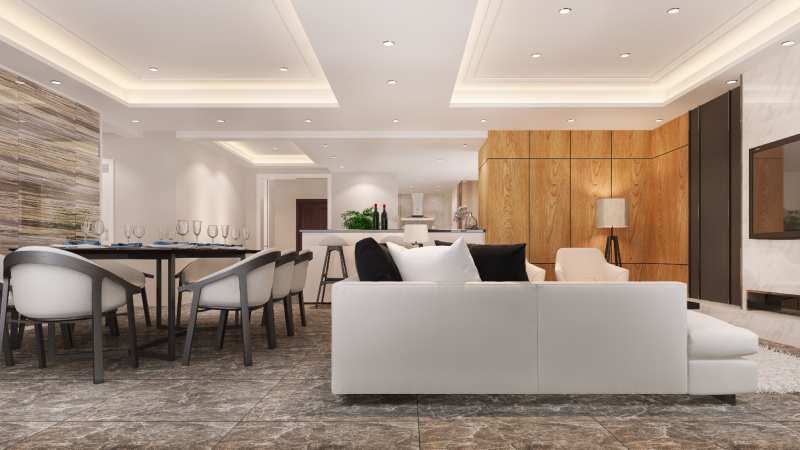
Creating a beautiful and welcoming home is an art that balances functionality, comfort, and personal taste. Whether you are decorating your home for the first time or looking to refresh your existing spaces, understanding the principles of house decoration can make a significant difference. This article provides a complete guide to decorating every part of your home — from color selection and furniture placement to lighting, textures, and practical tips for maintaining harmony throughout your living spaces. Let’s explore how thoughtful decoration can transform your home into a comfortable and elegant sanctuary.
Understanding the Purpose of Home Decoration
Home decoration is more than just arranging furniture or adding accessories. It’s about designing a space that reflects your personality while maintaining functionality and flow. The right decor can enhance mood, improve daily living, and make your environment more inviting for both family and guests.
A well-decorated home not only looks appealing but also increases comfort, organization, and energy efficiency. Good decoration combines style with practicality — ensuring that every item serves a purpose while contributing to the home’s overall aesthetic.
Choosing a Decorating Style
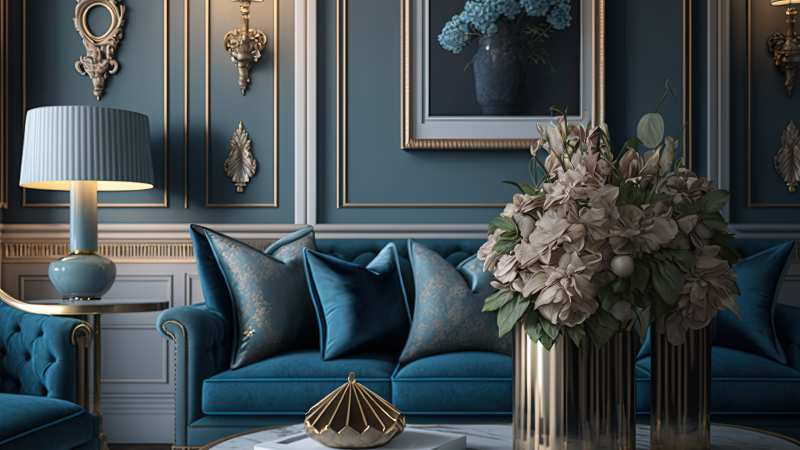
Before you start decorating, identify your preferred interior design style. Here are some popular styles to consider:
1. Modern Minimalist
This style emphasizes simplicity, clean lines, and neutral color palettes. Furniture is often sleek, and decoration focuses on open spaces with minimal clutter.
2. Classic or Traditional
Traditional interiors feature elegant furniture, detailed moldings, and rich fabrics. Think of warm wood tones, patterned rugs, and sophisticated symmetry.
3. Bohemian Chic
Perfect for creative personalities, the Bohemian style mixes colors, patterns, and textures. It encourages freedom and individuality in design choices.
4. Scandinavian
Known for its light tones, cozy textures, and natural materials, Scandinavian design promotes warmth and simplicity with an emphasis on comfort.
5. Contemporary
Contemporary style merges modern trends with timeless elegance. It balances bold elements with soft finishes and often features striking focal points.
Once you’ve identified your preferred style, use it as a guide when selecting furniture, colors, and decorative pieces.
Color Selection: Setting the Mood
Color plays a crucial role in home decoration. It can influence how large or small a room feels and even affect your emotions.
- Neutral Shades: Whites, creams, and grays create a calm and spacious feeling.
- Warm Colors: Reds, yellows, and oranges make spaces feel energetic and cozy.
- Cool Colors: Blues, greens, and purples promote relaxation and freshness.
- Accent Colors: Use bold tones sparingly on cushions, art, or statement furniture pieces.
When selecting colors, consider natural light, room size, and how the space connects with surrounding areas.
Furniture Arrangement and Functionality
Furniture should serve both aesthetic and practical purposes. The right layout improves comfort and movement throughout your home.
Tips for Arranging Furniture:
- Leave enough space for easy traffic flow.
- Position main furniture pieces (like sofas or beds) first, then add smaller items.
- Keep balance by matching large furniture with medium or small accessories.
- Mix materials like wood, glass, and metal for visual variety.
Avoid overcrowding rooms — minimal, well-placed furniture can create a more open and welcoming feel.
The Role of Lighting
Lighting is a key element that affects every aspect of your home’s decoration. It can highlight architectural features, set the mood, and make spaces more functional.
Types of Lighting:
- Ambient Lighting: The general light that fills the room.
- Task Lighting: Focused lights for specific tasks like reading or cooking.
- Accent Lighting: Decorative lights that emphasize artwork or unique design features.
Combining these three types of lighting ensures balance and functionality in every room.
Adding Textures and Materials
Textures bring depth and interest to your home decor. Mixing different materials helps create a dynamic and comfortable atmosphere.
- Soft Textures: Fabrics like velvet, linen, and cotton make spaces inviting.
- Natural Textures: Wood, stone, and rattan add warmth and authenticity.
- Metallic Accents: Brass or chrome elements create sophistication and shine.
Incorporate a blend of these materials in rugs, cushions, curtains, and furniture to create layers of comfort and character.
Decorating Each Area of the Home
1. Living Room
The living room is often the centerpiece of a home. Choose a color palette that encourages relaxation, arrange furniture to promote conversation, and use lighting to highlight focal points. Add decorative touches like plants, artwork, and throw blankets for warmth and personality.
2. Bedroom
Your bedroom should reflect tranquility. Use calming colors and comfortable bedding. Keep decor minimal and avoid overcrowding. A well-chosen bedside lamp and textured throws can make the room feel more personal and cozy.
3. Kitchen
Functionality is key in kitchen decoration. Combine practicality with style by choosing durable countertops, open shelving, and bright lighting. Introduce personality through small elements like colorful utensils, decorative jars, and plants.
4. Bathroom
Modern bathrooms benefit from clean designs and smart storage. Choose water-resistant materials, mirrors to create a sense of space, and soft lighting for a spa-like atmosphere.
5. Dining Room
Decorate the dining area with a statement light fixture and a functional yet stylish table. Add table runners, centerpieces, or seasonal decor to make meals more inviting.
6. Home Office
Create a workspace that promotes focus and creativity. Use neutral colors, ergonomic furniture, and adequate lighting. Keep the space organized and clutter-free.
7. Outdoor Areas
Your home’s exterior and garden should also reflect care and design. Add comfortable seating, outdoor lighting, and plants that thrive in your climate.
Accessorizing with Purpose
Accessories complete a room’s design. They give life and personality to your home, but they should be used thoughtfully.
- Choose artwork that complements your color palette.
- Add mirrors to reflect light and create the illusion of space.
- Display personal items like books or souvenirs without overfilling shelves.
- Use plants to add freshness and balance to your decor.
Remember that less is often more when it comes to home accessories.
Budget-Friendly Decoration Ideas
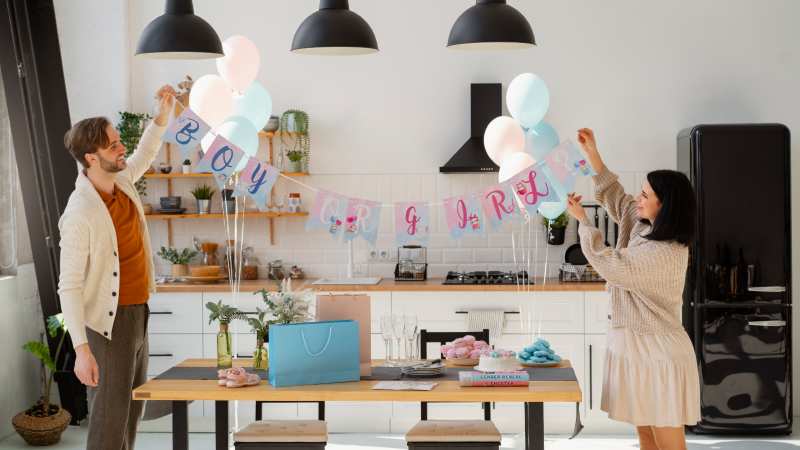
You don’t need a large budget to achieve a stylish home. Here are a few cost-effective decoration strategies:
- Repurpose or upcycle old furniture.
- DIY art projects or wall hangings.
- Use removable wallpaper for easy updates.
- Rearrange existing furniture for a new look.
- Shop during sales or from local artisans.
Simple changes like adding new cushions or painting an accent wall can have a major visual impact.
Maintenance and Seasonal Updates
Home decoration doesn’t end once you’ve set everything up. Keep your home fresh by regularly cleaning, decluttering, and updating small details according to the season.
- Spring: Introduce bright colors and fresh flowers.
- Summer: Focus on light fabrics and open spaces.
- Autumn: Add warm tones and textured layers.
- Winter: Incorporate cozy elements like rugs and blankets.
Consistent maintenance ensures your home remains inviting and visually appealing throughout the year.
Expert House Decoration Advice MintPalDecor
Professional decorators often emphasize three main principles — balance, harmony, and personality. These ensure that every part of your home connects naturally. House decoration advice MintPalDecor also highlights the importance of understanding your lifestyle before making design choices. Your decor should suit your daily habits, comfort preferences, and available space.
Avoid decorating solely based on trends; instead, focus on timeless design elements that express your individuality. With thoughtful planning and attention to detail, you can achieve a home that’s both elegant and functional.
Common Mistakes to Avoid in Home Decoration
- Overcrowding the Space: Too many items can make rooms feel smaller and chaotic.
- Ignoring Lighting: Poor lighting can undermine even the best designs.
- Neglecting Proportions: Oversized furniture in small rooms can upset the balance.
- Mixing Too Many Styles: Stick to one main design direction for cohesion.
- Lack of Personal Touch: Homes should tell your story, not just follow a magazine layout.
Avoiding these mistakes will help maintain harmony and visual flow in your living spaces.
Frequently Asked Questions (FAQs)
1. How can I decorate my home on a small budget?
Start with decluttering, then use affordable changes like painting, DIY crafts, or rearranging furniture. Focus on creativity rather than expensive purchases.
2. What colors make a small room look bigger?
Light colors like white, beige, or soft pastels reflect light and make a room appear more spacious.
3. How do I choose the right lighting for each room?
Use layered lighting: ambient for overall brightness, task for focused areas, and accent for decor highlights.
4. What is the best way to create a cozy atmosphere at home?
Combine warm lighting, soft fabrics, and natural textures. Add rugs, cushions, and curtains to enhance comfort.
5. How often should I update my home decoration?
There’s no fixed rule, but minor seasonal updates or a full refresh every 2–3 years help maintain a modern and inspiring home environment.
Final Thoughts
Home decoration is a journey of creativity and self-expression. With the right balance of colors, textures, lighting, and layout, you can design spaces that bring joy and comfort to everyday life. Taking time to plan and personalize your decor ensures that your home not only looks beautiful but also feels truly yours. By following expert insights and practical house decoration advice MintPalDecor, you can achieve a stylish, comfortable, and timeless living environment that reflects your unique personality.