
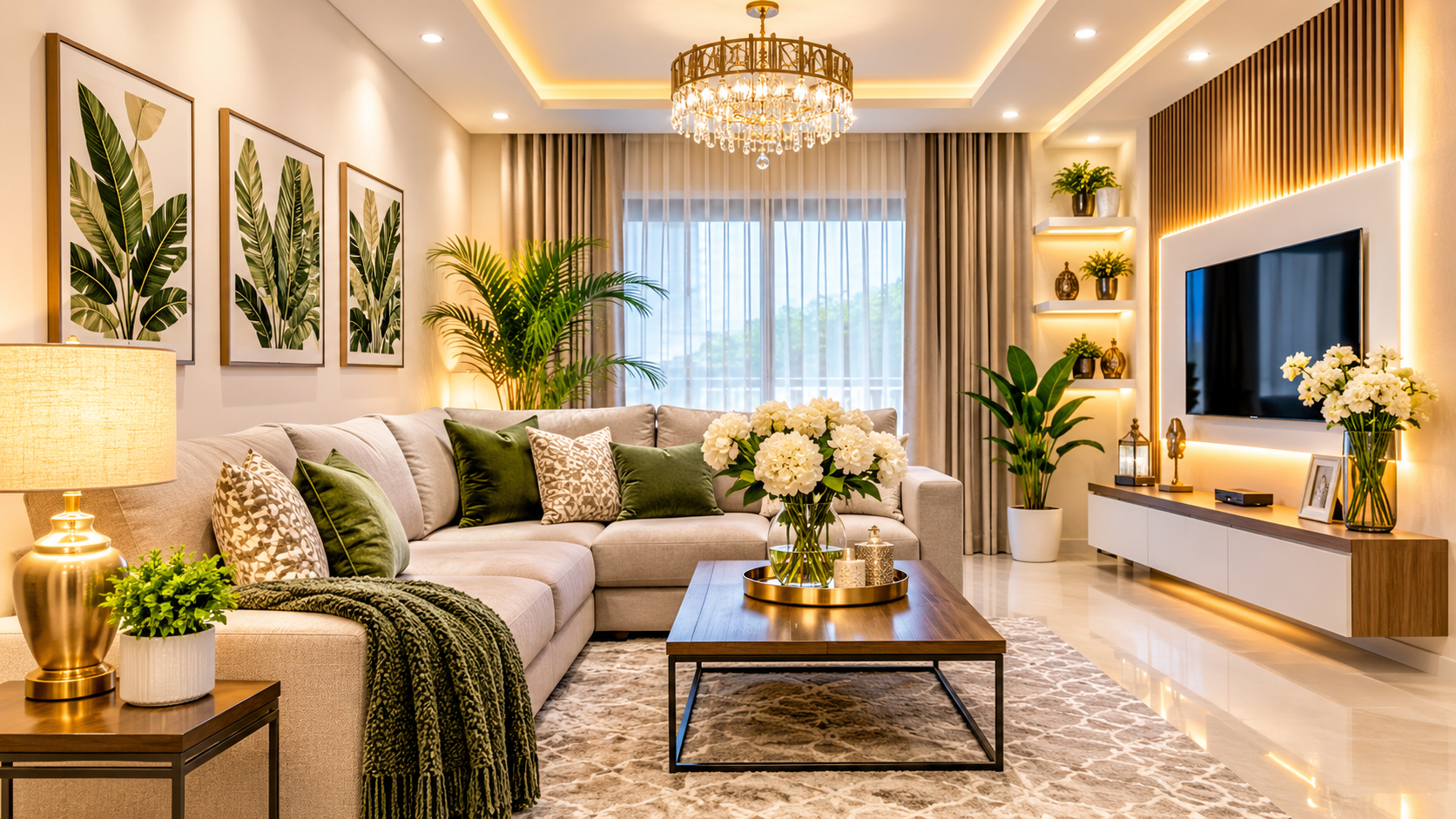
A beautiful home is more than just a place to live. It is a personal environment where comfort, creativity, and lifestyle come together. Every room tells a story through its colors, furniture, lighting, and decorative accessories. A well-designed interior can make everyday life more enjoyable while creating a welcoming atmosphere for family members and guests.
Home decoration does not always require expensive furniture or major renovations. Small improvements, such as changing curtains, rearranging furniture, adding indoor plants, or choosing attractive wall colors, can completely transform an ordinary room. The key is understanding how different design elements work together.
The concept of decoradhouse focuses on creative home improvement, practical decoration solutions, and attractive interior styling. Whether someone owns a spacious house or lives in a small apartment, thoughtful decorating choices can make any space feel more comfortable and visually appealing.
Understanding the Basics of Home Decoration
Home decoration involves arranging furniture, selecting colors, choosing lighting, and adding accessories to create an attractive living environment. Good interior decoration combines appearance with functionality, ensuring that every room looks beautiful while serving its intended purpose.
Before starting a decoration project, homeowners should consider their lifestyle, available space, and personal preferences. Some people enjoy modern minimalist interiors, while others prefer traditional furniture, colorful patterns, and classic decorative accessories.
There is no universal decorating style that works for everyone. The best approach is to select elements that complement the architecture of the property and meet the household’s everyday needs.
A comfortable home should also have a balanced layout. Furniture should not block walking areas, decorative objects should not create unnecessary clutter, and every room should have enough lighting.
Choosing the Perfect Colors for Your Home
Color selection is one of the most important parts of interior decoration. Different shades can influence the atmosphere of a room and change how large or small a space appears.
Neutral colors such as white, cream, beige, and light gray are popular because they create a clean and timeless appearance. They also work well with different furniture styles and decorative accessories.
For homeowners who prefer more colorful interiors, shades of green, blue, terracotta, and soft yellow can add personality. These colors can be introduced through cushions, curtains, rugs, wall artwork, or feature walls.
A useful decorating technique is to choose one primary color, one supporting color, and one accent shade. This approach creates a coordinated appearance without making the room feel overwhelming.
Lighting should also be considered when selecting paint colors. Rooms with limited natural sunlight often benefit from lighter shades, while brighter rooms can accommodate deeper colors.
Creating a Stylish and Comfortable Living Room
The living room is often the main gathering area of a home. It provides a place for relaxation, family conversations, and entertainment. Therefore, its decoration should combine comfort, functionality, and visual appeal.
Start by selecting furniture that matches the available space. A large sofa may look impressive, but it can make a small room feel crowded. Compact seating arrangements are often more suitable for limited spaces.
Arrange furniture to encourage conversation. Sofas and chairs can face each other or surround a coffee table to create a comfortable seating area.
Decorative cushions, soft rugs, curtains, and indoor plants can add warmth and personality. Wall paintings and family photographs also help make the living room feel more personal.
Lighting is another important feature. A combination of ceiling lights, floor lamps, and table lamps provides flexibility for different activities. Warm lighting can create a relaxing atmosphere during evenings.
Bedroom Decoration Ideas for Better Comfort
A bedroom should be a peaceful place where people can relax and recharge. Its decoration should focus on comfort, simplicity, and organization.
The bed is usually the most important piece of bedroom furniture. Choose comfortable bedding that complements the wall colors and overall interior design. Coordinated pillows, blankets, and bed covers can make the room look more attractive.
Avoid placing too much furniture in the bedroom. A suitable wardrobe, bedside tables, and a comfortable bed are usually enough for a functional layout.
Curtains also contribute to the overall appearance. Light-colored curtains create a fresh atmosphere, while thicker materials provide privacy and help control sunlight.
Small decorative accessories can complete the design. A bedside lamp, an attractive mirror, a small plant, or simple wall artwork can improve the appearance without creating clutter.
Modern Kitchen Decoration and Storage Solutions
The kitchen is one of the busiest areas of any household. Its design should make cooking, cleaning, and organizing everyday items easier.
Storage plays an important role in kitchen decoration. Cabinets, drawers, shelves, and organizers help keep utensils, dishes, and cooking supplies properly arranged.
Modern kitchen interiors often use white, gray, natural wood, and soft green shades. These colors create a clean and attractive appearance.
Lighting should be bright enough for food preparation and cleaning. Ceiling fixtures provide general illumination, while under-cabinet lights can make countertops easier to use.
Keeping countertops organized is another useful technique. A few decorative jars, a small plant, or attractive storage containers can improve the kitchen’s appearance without reducing working space.
Making Small Rooms Look Spacious
Small homes and apartments require careful decoration because every available area matters. However, limited space does not mean homeowners must compromise on beauty or comfort.
One effective method is using light-colored walls and ceilings. These shades reflect natural light and can make rooms appear more spacious.
Mirrors are also useful because they reflect light and create a greater sense of depth. Placing a mirror opposite a window can help brighten a room.
Multifunctional furniture is another practical solution. Beds with storage drawers, folding dining tables, and compact sofas help save space while providing useful features.
Vertical storage should also be considered. Wall-mounted shelves provide room for books, decorative objects, and everyday essentials without taking up valuable floor space.
Keeping pathways clear and avoiding unnecessary accessories will make even a small room feel more open and organized.
The Importance of Lighting in Interior Design
Lighting can completely change the appearance of a home. Even an attractive room may feel uncomfortable when its lighting is poorly planned.
Natural sunlight should be used whenever possible. Large windows, light curtains, and uncluttered window areas allow more daylight to enter the home.
Artificial lighting should match the purpose of each room. Bright white lights are useful in kitchens and work areas, while warm lighting is often preferred in bedrooms and living rooms.
Pendant lights, ceiling fixtures, wall lamps, and decorative table lamps can also become attractive design features.
Instead of depending on a single ceiling light, homeowners can combine different lighting sources. This creates a more balanced environment and allows the atmosphere to be adjusted according to different activities.
Bringing Nature Inside Your Home
Natural elements can make interiors feel fresh, peaceful, and welcoming. Indoor plants are among the easiest ways to introduce greenery into a living environment.
Small plants can be placed on shelves, windowsills, coffee tables, and empty corners. Larger plants can become attractive focal points in spacious living rooms.
Wooden furniture, bamboo accessories, woven baskets, and natural fabrics can also create a warm atmosphere.
For example, combining wooden furniture with cream walls and green plants produces a balanced interior that feels modern and relaxing.
When choosing plants, consider the available sunlight and the amount of care required. Low-maintenance varieties are often suitable for people with busy schedules.
Budget-Friendly Home Improvement Ideas
Home improvement does not always require a large investment. Many attractive changes can be completed with a limited budget and a little creativity.
Rearranging existing furniture is one of the simplest ways to refresh a room. Changing the position of a sofa, bed, or dining table can create a different appearance without purchasing anything new.
Painting an old wall, replacing cabinet handles, changing curtains, and adding decorative cushions are other affordable options.
DIY projects can also help homeowners personalize their interiors. Simple wall decorations, handmade accessories, and refreshed furniture can make a room look unique.
The decoradhouse approach encourages homeowners to think creatively about their available resources. Instead of replacing everything, they can improve existing furniture, organize unused spaces, and introduce a few carefully selected decorative items.
Before making purchases, prepare a budget and prioritize essential improvements. This helps prevent unnecessary spending and makes decoration projects easier to manage.
Common Home Decoration Mistakes to Avoid
Even good decorating ideas can produce disappointing results when basic design principles are ignored.
One common mistake is overcrowding rooms with furniture and accessories. Too many objects make spaces look untidy and reduce available movement.
Another problem is choosing furniture that does not match the dimensions of a room. Large pieces can overwhelm small interiors, while very small furniture may look unsuitable in spacious rooms.
Using too many unrelated colors can also create visual confusion. Selecting a coordinated color palette helps maintain consistency throughout the home.
Poor lighting is another issue. Relying entirely on one ceiling light may leave certain corners dark and make the room feel less inviting.
Homeowners should also avoid following every decoration trend without considering their personal preferences. A comfortable and practical home is more valuable than an interior designed only to follow temporary trends.
Following Modern Decoration Trends
Interior design trends provide inspiration for creating fresh and attractive spaces. However, they should always be adapted to personal taste and household requirements.
Minimalist interiors remain popular because they focus on simplicity, practical furniture, and uncluttered layouts. Natural materials, earthy colors, textured walls, and indoor plants are also widely appreciated.
Combining modern and traditional elements can create another interesting style. For example, a contemporary sofa may look beautiful alongside a traditional wooden table or handmade decorative accessories.
Sustainable decoration is also becoming increasingly important. Reusing furniture, selecting durable materials, and avoiding unnecessary purchases can help reduce waste.
The decoradhouse concept can be applied to these modern ideas by focusing on practical improvements rather than simply copying fashionable designs.
How to Plan a Successful Home Decoration Project
Every successful decoration project begins with a clear plan. Before purchasing furniture or accessories, identify which areas need improvement and what changes are most important.
First, measure the available space. Accurate measurements help prevent problems when purchasing furniture, rugs, curtains, and storage solutions.
Next, decide on a realistic budget. Separate essential improvements from optional decorative purchases so that money can be spent wisely.
Choose a suitable color scheme and select furniture that complements the intended style. Consider lighting, storage requirements, and everyday household activities.
It is also helpful to complete one room at a time. This makes the project easier to manage and allows homeowners to evaluate the results before decorating another area.
Finally, take your time when making decisions. Comparing different materials, furniture designs, and color combinations can help produce better long-term results.
Conclusion
A beautiful home does not require complicated designs or expensive renovations. It requires thoughtful planning, creativity, and an understanding of how different interior elements work together.
From selecting suitable wall colors and arranging furniture to improving lighting and introducing natural decorations, every small decision can contribute to a more comfortable living environment.
The decoradhouse concept highlights the importance of combining attractive design with practical solutions. Whether someone wants to refresh a living room, organize a small kitchen, improve a bedroom, or transform an entire property, simple decoration principles can make a meaningful difference.
Ultimately, the best home design is one that reflects personal taste, supports everyday activities, and provides comfort for everyone living there. With patience and creative thinking, any ordinary space can become a beautiful place to call home.