
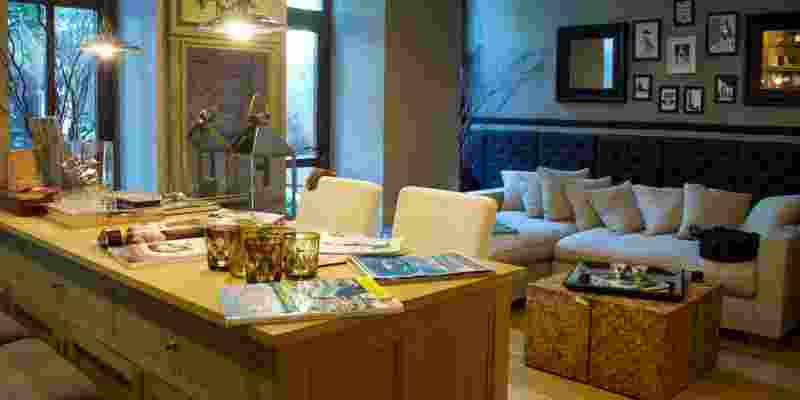
A beautiful home is more than a place to live. It is a personal space where people relax, spend time with family, welcome guests, and create lasting memories. The way a home is decorated can influence its comfort, atmosphere, and overall appearance. From choosing suitable colours and furniture to arranging lighting and adding decorative accessories, every small detail can contribute to a more attractive living environment.
Following the right house decoration advice mintpaldecor can help homeowners transform ordinary rooms into welcoming and stylish spaces without spending too much money. Good decoration does not always require expensive furniture, professional designers, or complete renovations. Sometimes, simple changes such as rearranging furniture, adding indoor plants, updating curtains, or choosing a new colour palette can make a noticeable difference.
Whether you live in a small apartment, a family house, or a spacious property, the key is to create a home that reflects your personality and meets your everyday needs. With thoughtful planning and practical ideas, you can improve the appearance of every room while maintaining comfort and functionality.
Start with a Clear Decoration Plan
Before purchasing furniture or decorative accessories, take some time to understand what you want to achieve. Planning helps you avoid unnecessary spending and ensures that the different elements of your home work together.
Begin by examining each room. Consider its size, natural lighting, existing furniture, and main purpose. A living room used for entertaining guests may require comfortable seating and open space, while a bedroom should focus on relaxation and privacy.
Write down the improvements you want to make. You might want to brighten a dark room, create additional storage, update outdated furniture, or introduce a more modern appearance.
Set a realistic budget before shopping. Divide your available money into essential items, decorative additions, and optional improvements. This approach allows you to prioritise important purchases and make gradual changes without financial pressure.
It is also helpful to collect inspiration from interior design magazines, online photographs, and home improvement articles. However, avoid copying a design without considering your own space. The best decoration plan combines attractive ideas with your lifestyle, preferences, and practical requirements.
Choose Colours That Create the Right Atmosphere
Colour is one of the most influential elements of interior decoration. It can make a room appear brighter, larger, warmer, or more relaxing. Choosing a suitable colour scheme helps create a consistent appearance throughout your home.
Neutral colours such as white, cream, beige, and soft grey are popular because they provide a calm background for furniture and accessories. These shades work particularly well in small rooms where a lighter appearance can make the space feel more open.
If you prefer a more colourful environment, introduce shades such as sage green, muted blue, terracotta, or warm yellow. You can use these colours on an accent wall, cushions, artwork, or decorative objects.
A simple method is to choose one main colour, one supporting colour, and one accent colour. For example, a living room could combine cream walls, wooden furniture, and dark green cushions. This arrangement creates visual interest without making the room feel crowded.
Consider how colours look under different lighting conditions before making a final decision. A shade that appears attractive in a shop may look different under your home’s natural or artificial light.
Paint samples are an inexpensive way to test your choices. Observe them at different times of the day to determine whether they suit the room.
Select Furniture That Fits Your Space
Furniture affects both the appearance and functionality of a home. Even attractive furniture can make a room uncomfortable if it is too large, too small, or poorly arranged.
Measure your rooms before buying major pieces. Record the dimensions of the available floor space, doorways, and walking areas. These measurements help you choose furniture that fits comfortably without blocking movement.
In smaller homes, consider multifunctional furniture. Storage beds, extendable dining tables, nesting tables, and ottomans with hidden compartments can provide useful features while saving space.
For larger rooms, arrange furniture into separate functional areas. A spacious living room might include a seating area, a reading corner, and a small workspace. Rugs, lighting, and furniture placement can help distinguish these areas without requiring additional walls.
Try to maintain a comfortable balance between furniture and open space. Avoid filling every empty corner simply because it is available. Open areas help rooms feel organised and make everyday activities easier.
When purchasing furniture, consider durability, comfort, and maintenance alongside appearance. Materials that suit your household’s needs are often a better investment than fashionable items that quickly become impractical.
Improve Lighting for a Warm and Welcoming Home
Lighting can completely change the mood of a room. A well-lit space often feels cleaner, more spacious, and more comfortable, while poor lighting can make even a beautifully decorated room appear dull.
Whenever possible, make the most of natural daylight. Keep windows clean, avoid placing bulky furniture directly in front of them, and choose curtains that allow sufficient sunlight into the room.
Artificial lighting should serve different purposes. Ambient lighting provides general illumination, task lighting supports activities such as reading or cooking, and accent lighting highlights artwork, architectural features, or decorative objects.
For example, a living room may benefit from a ceiling light, a floor lamp beside the sofa, and a small table lamp on a side table. In the kitchen, brighter task lighting can make food preparation easier and safer.
Warm-white lighting is often suitable for bedrooms and relaxing living areas. Neutral or cooler lighting may be useful in workspaces and kitchens, depending on the activity and personal preference.
Mirrors can also help distribute light around a room. Positioning a mirror opposite or near a window can reflect daylight and make a smaller space feel brighter.
Decorate Walls with Purpose
Empty walls can make a room feel unfinished, but covering every surface with decorations may create visual clutter. The goal is to select wall features that complement the room’s colours, furniture, and overall style.
Artwork is one of the easiest ways to introduce personality. Choose paintings, photographs, illustrations, or prints that reflect your interests. A large piece can create a focal point, while a carefully arranged gallery wall can display several smaller items.
Mirrors are another practical choice, particularly in narrow hallways and compact bedrooms. They add visual depth while serving a useful everyday purpose.
Wall shelves can display books, small plants, framed photographs, and decorative objects. However, leave some space between items so the arrangement remains organised.
You can also use textured wallpaper, wooden panels, or a contrasting paint colour to create an accent wall. These features work best when they support the room’s existing design rather than compete with it.
Before hanging anything, consider its size and position. Artwork should generally relate to the furniture below it, creating a balanced arrangement instead of appearing disconnected from the rest of the room.
Add Textures and Fabrics for Comfort
Textures help make a home feel inviting and visually interesting. Even a room with a simple colour scheme can look sophisticated when different materials are combined thoughtfully.
Soft cushions, blankets, curtains, rugs, and upholstered furniture introduce texture while improving comfort. Natural materials such as cotton, linen, wool, wood, and jute can create a warm and relaxed atmosphere.
For example, a neutral sofa can look more attractive with textured cushions, a knitted throw, and a soft rug. These additions create depth without requiring expensive furniture replacements.
Curtains should suit the room’s size and style. Longer curtains can make ceilings appear taller when installed appropriately, while lightweight fabrics help maintain a bright and airy feeling.
Rugs can define seating areas, add warmth to hard floors, and introduce colour. Choose a size that fits the furniture arrangement rather than selecting one that looks too small for the space.
When combining patterns, start with a simple foundation. You might pair a plain sofa with striped cushions and a subtle patterned rug. Keeping some colours consistent helps the different materials feel connected.
Practicality is important, too. Families with children or pets may prefer washable covers, durable fabrics, and easy-to-clean rugs.
Bring Nature Indoors with Plants
Indoor plants can make a room feel fresh, lively, and connected to nature. They introduce natural shapes and colours that complement a wide range of decorating styles.
If you are new to caring for plants, begin with varieties suited to your home’s light conditions and your experience level. Some common options include pothos, snake plants, spider plants, and certain types of succulents.
Place plants on windowsills, shelves, side tables, or suitable floor stands. Larger plants can fill empty corners, while smaller varieties can decorate desks and coffee tables.
If natural light is limited, select plants that tolerate lower-light conditions rather than assuming any plant will thrive in a dark room. Artificial plants are another option for decorative purposes when maintaining living plants is impractical.
Choose pots that complement your colour scheme. Terracotta, ceramic, woven, and simple neutral planters can each create a different effect.
Avoid overcrowding surfaces with too many plants. A few well-positioned plants usually look more intentional than a large collection competing for attention.
Make Small Rooms Look Bigger
Decorating a small home requires careful use of space. The aim is not necessarily to make every room look large but to make it feel open, organised, and comfortable.
Begin by reducing unnecessary clutter. Keep frequently used items accessible and store less frequently used belongings in drawers, cabinets, or storage boxes.
Use furniture with a suitable scale. Oversized sofas, heavy tables, and bulky cabinets can overwhelm compact rooms. Pieces with raised legs or open designs may create a lighter visual appearance.
Light colours can help reflect available light, while mirrors can introduce a sense of depth. Consistent flooring and a coordinated colour palette may also help connected rooms feel more unified.
Use vertical space when floor space is limited. Tall shelves, wall-mounted storage, hooks, and hanging organisers can keep everyday items tidy without occupying valuable walking areas.
Avoid blocking windows and doorways with furniture. Maintaining clear pathways improves both the appearance and practical use of a small room.
Remember that organisation is just as important as decoration. A modest room with thoughtful storage often feels more spacious than a larger room filled with unnecessary belongings.
Personalise Your Bedroom for Better Relaxation
The bedroom should provide a peaceful environment where you can rest and recharge. Its decoration should therefore prioritise comfort, simplicity, and personal preference.
Start with the bed, which is usually the room’s main focal point. Choose comfortable bedding in colours that complement the walls and furniture. Coordinated sheets, pillowcases, and a lightweight blanket can create a polished appearance without a major expense.
Bedside tables provide useful storage for books, lamps, glasses, and other everyday essentials. If the room is small, consider narrow tables or wall-mounted shelves.
Keep lighting gentle enough for relaxation while providing sufficient illumination for reading and other activities. Blackout curtains may be useful for people who prefer a darker sleeping environment.
Limit unnecessary decorations on bedside surfaces and around the bed. A few meaningful photographs, a favourite artwork, or a small plant can add personality without making the room feel busy.
Storage is especially important in bedrooms. Under-bed containers, wardrobe organisers, and drawer dividers can help maintain an orderly environment.
Choose decoration that supports your personal comfort rather than following every new trend. A relaxing bedroom should reflect your needs and habits.
Create a Functional and Attractive Kitchen
The kitchen is one of the busiest areas in many homes. Its decoration should balance appearance with cleanliness, storage, and ease of use.
Keep frequently used cooking items within convenient reach, but avoid covering every work surface with appliances and accessories. Clear counters provide more room for food preparation and make cleaning easier.
Open shelves can display attractive dishes, jars, or cups, while closed cabinets help conceal items that might otherwise create clutter. A coordinated set of storage containers can give cupboards and counters a more organised appearance.
If a full renovation is outside your budget, consider smaller improvements. Replacing outdated cabinet handles, adding suitable under-cabinet lighting, introducing a washable runner, or refreshing a wall colour can update the kitchen without extensive work.
Choose materials that are appropriate for areas exposed to moisture, heat, and frequent cleaning. Decorative items should not obstruct ventilation, cooking equipment, or safe movement.
You can also introduce colour through tea towels, bowls, planters, and small accessories. These items are generally easier and less expensive to replace than cabinets or worktops.
Use Smart Decoration Ideas on a Budget
A beautiful home does not have to cost a fortune. Careful shopping and creative reuse can help you improve your surroundings while controlling expenses.
One of the simplest approaches is to rearrange existing furniture. Changing the position of a sofa, moving a table closer to a window, or creating a better focal point can make a room feel noticeably different.
Consider refreshing furniture instead of replacing it. A suitable coat of paint, new handles, updated upholstery, or a thorough cleaning may restore an older item.
Shop for accessories gradually and compare prices before purchasing. Second-hand furniture, charity shops, local markets, and online marketplaces may offer affordable options, although condition and safety should always be checked.
DIY projects can also add character. You might frame your favourite photographs, create a simple decorative display, or make cushion covers using suitable fabric.
However, avoid buying inexpensive objects simply because they are on sale. Too many unnecessary purchases can increase clutter and ultimately cost more.
A useful rule is to spend on essential, frequently used items first and add decorative details over time. This makes it easier to create a home that looks considered rather than rushed.
Keep Your Decoration Consistent and Timeless
Interior design trends change regularly, but a comfortable and attractive home should continue to suit you for years. Instead of following every fashionable idea, focus on elements that remain practical and appealing.
Choose a general style that reflects your preferences, such as modern, traditional, minimalist, rustic, or Scandinavian-inspired design. You do not have to follow one style strictly, but maintaining a consistent direction can help rooms feel connected.
Repeat selected colours, materials, or finishes throughout the home. For example, similar wood tones, coordinated metal finishes, or a shared neutral palette can create continuity between different rooms.
Use trends in smaller, replaceable items such as cushions, artwork, vases, and decorative accessories. This approach lets you update the appearance of your home without replacing expensive furniture whenever styles change.
Most importantly, leave room for personal belongings. Family photographs, meaningful souvenirs, favourite books, and handmade objects can make a home feel unique.
A thoughtfully decorated home is not necessarily the one that looks like a showroom. It is the one that balances visual appeal, comfort, practicality, and personal character.
Conclusion
Decorating a home is an ongoing process that allows you to improve your surroundings according to your needs, preferences, and budget. By choosing suitable colours, arranging furniture carefully, improving lighting, introducing natural textures, and maintaining organised spaces, you can create rooms that are both attractive and functional.
The most useful house decoration advice mintpaldecor focuses on making thoughtful decisions instead of spending money on every new trend. Start with the areas that need the most attention, make changes gradually, and select items that provide lasting value.
Whether you are updating a single bedroom or improving your entire property, small improvements can have a meaningful impact. With careful planning, creativity, and attention to detail, you can build a welcoming home that reflects your personality and makes everyday life more enjoyable.
Ultimately, the best home decoration is the kind that makes you feel comfortable, relaxed, and proud of your surroundings. You do not need a large budget or a professionally designed property to achieve that goal. You simply need a clear plan, practical ideas, and the confidence to create a space that feels like your own.