
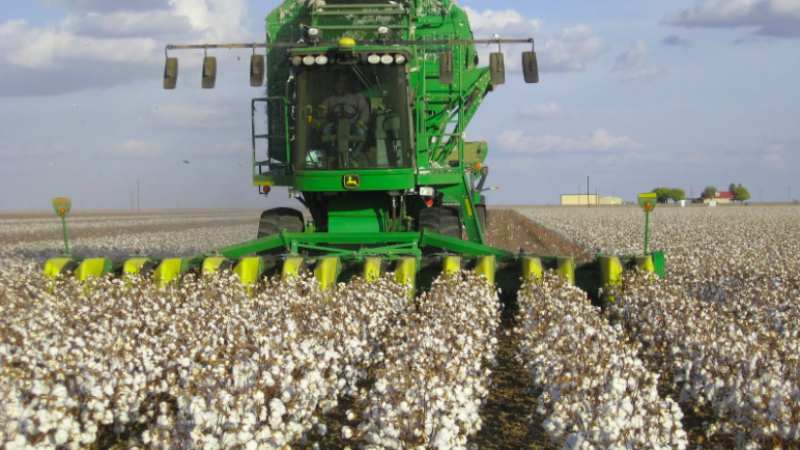
Tractors have long been the backbone of agricultural progress, transforming how farms operate and scale over time. From early mechanical designs to today’s highly advanced machines, tractor engineering reflects a continuous effort to improve efficiency, reliability, and adaptability. For farmers, understanding this evolution provides valuable context for making informed equipment decisions.
The modern tractor is no longer just a tool for pulling implements. It has become a central hub for precision agriculture, integrating technology, power, and operator comfort into a single platform. This transformation has reshaped farming practices and set new expectations for performance in the field.
From Early Machines to Modern Engineering Marvels
The earliest tractors were designed to replace manual labor and animal power. While they marked a significant step forward, they were often limited in functionality and required considerable effort to operate and maintain. Over time, advancements in engine design, hydraulics, and materials led to more efficient and versatile machines.
Exploring the progression of New Holland tractors evolution offers a clear example of how engineering innovation has shaped modern equipment. From simple mechanical systems to sophisticated, high-performance machines, this journey reflects broader trends in agricultural technology.
The Shift Toward Integrated Systems
Modern tractors are built around integrated systems that combine mechanical, hydraulic, and electronic components. This integration allows for greater control, improved efficiency, and enhanced functionality. Operators can now manage multiple tasks simultaneously, increasing productivity while reducing manual effort.
How Advanced Machinery Is Redefining Field Operations
Recent innovations in tractor design have expanded the possibilities for large-scale farming. Machines are now capable of handling wider implements, covering more ground in less time, and operating with greater precision. These advancements are particularly important as farms continue to grow in size and complexity.
Developments such as wide-span tractor systems and high-capacity seeding technology demonstrate how modern equipment is pushing the boundaries of efficiency. These machines are designed to maximize output while minimizing resource use, aligning with the evolving needs of the agricultural industry.
Efficiency Through Scale and Precision
Large-scale equipment allows farmers to complete tasks more quickly, but precision technology ensures that this speed does not come at the expense of accuracy. GPS guidance, automated controls, and data-driven systems enable operators to optimize every pass across the field.
The Role of Design in Operator Productivity
While performance is critical, operator experience plays an equally important role in modern tractor design. Comfortable cabins, intuitive controls, and reduced vibration contribute to better working conditions, allowing operators to remain productive over long hours.
Principles of efficient design, similar to those discussed in creating work environments that enhance productivity, are increasingly applied to agricultural machinery. These improvements not only benefit operators but also contribute to overall efficiency by reducing fatigue and errors.
Human-Centered Engineering
Designing equipment with the operator in mind ensures that machines are not only powerful but also practical. Features such as ergonomic seating, climate control, and user-friendly interfaces make it easier to manage complex tasks, improving both comfort and performance.
Maintenance and Longevity in Modern Tractors
As tractors become more advanced, maintenance practices must evolve as well. While modern machines are built for durability, they also require careful attention to ensure that all systems function correctly. Regular servicing, including fluid checks and system diagnostics, remains essential.
Preventive maintenance helps identify potential issues before they lead to significant problems. This approach not only extends the lifespan of equipment but also ensures consistent performance during critical farming periods.
Balancing Technology with Practical Knowledge
Advanced diagnostics and monitoring systems provide valuable insights, but they do not replace hands-on experience. Operators who understand the fundamentals of their equipment are better equipped to interpret data and take appropriate action when needed.
Adapting to the Future of Agriculture
The future of tractor engineering is closely tied to broader trends in agriculture, including sustainability, automation, and data integration. As farms seek to reduce environmental impact while maintaining productivity, equipment will continue to evolve to meet these demands.
Innovations such as autonomous tractors and energy-efficient systems are already shaping the next generation of machinery. These developments promise to further enhance efficiency while addressing the challenges of modern farming.
Preparing for Ongoing Innovation
Farmers who stay informed about emerging technologies are better positioned to adapt to changes in the industry. Investing in equipment that supports future advancements ensures that operations remain competitive and resilient.
Conclusion
The evolution of tractor engineering reflects a continuous drive to improve efficiency, performance, and usability in agriculture. From early mechanical designs to today’s advanced systems, each stage of development has contributed to the tools farmers rely on today.
By understanding these advancements and applying practical maintenance and operational strategies, farmers can make the most of their equipment investments. As technology continues to shape the future of agriculture, tractors will remain at the center of progress, supporting productivity and innovation across the industry.