
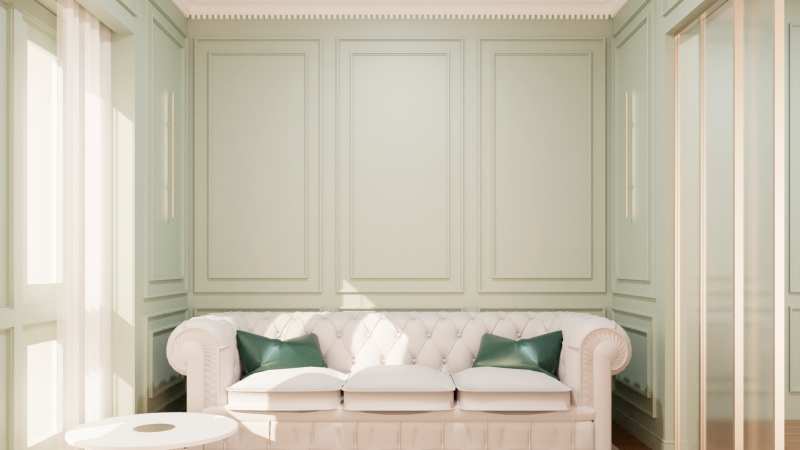
Interior design is both an art and a science — it’s about creating spaces that are functional, comfortable, and visually pleasing. Many people believe that interior design is only for professionals, but with the right knowledge and approach, anyone can learn how to design and style their home beautifully. This guide will help you understand how to be better at interior design MintPalDecor, by focusing on practical methods, creative inspiration, and simple steps you can apply to any home.
Understanding the Basics of Interior Design
Before diving into advanced ideas, it’s essential to grasp the core principles that form the foundation of interior design. These include:
1. Balance
Balance means distributing visual weight evenly within a room. You can achieve it through:
- Symmetrical balance: Mirroring elements (like matching chairs or lamps) for a traditional look.
- Asymmetrical balance: Mixing shapes, textures, or colors while keeping harmony.
- Radial balance: Centering elements around a focal point like a dining table or chandelier.
2. Harmony and Unity
A well-designed space flows naturally from one area to another. Use consistent color schemes, materials, and themes to create a unified appearance throughout your home.
3. Contrast
Adding contrast makes a space dynamic. Pair light and dark shades, smooth and rough textures, or old and new materials for visual interest.
4. Rhythm
Create rhythm by repeating colors, lines, or shapes in a pattern. For instance, if you use a navy pillow on the sofa, repeat that color in artwork or rugs to tie the look together.
Defining Your Personal Style
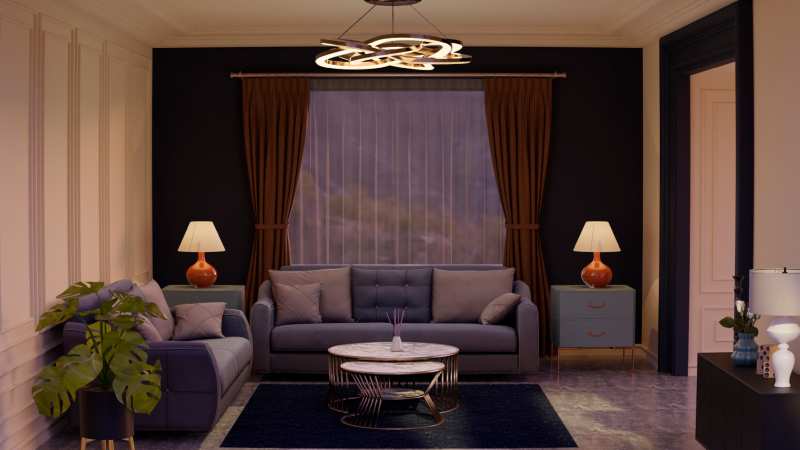
Great interior design reflects your lifestyle and taste. Instead of copying trends, find a style that aligns with your personality. Common design styles include:
- Modern: Clean lines, neutral colors, and minimal decor.
- Scandinavian: Simple, cozy, and functional spaces with natural light and wood finishes.
- Industrial: Exposed brick, metal accents, and raw materials.
- Bohemian: Eclectic mix of colors, textures, and global influences.
- Traditional: Classic furniture, symmetry, and warm color palettes.
Experiment with a mood board by collecting pictures, fabric samples, and color swatches that inspire you. This helps you visualize your desired look before making changes.
How to Be Better at Interior Design MintPalDecor: Start with a Plan
Every successful design begins with a plan. Please measure your space, understand its natural light, and make a list of what you need. Consider how you use each room daily. Functionality always comes before decoration.
Step-by-Step Design Planning:
- Assess the Room: Identify problem areas like poor lighting or lack of storage.
- Set a Budget: Know how much you can spend before starting.
- Choose a Color Scheme: Pick three main colors — a base, a secondary tone, and an accent.
- Select Furniture: Choose pieces that fit proportionally with the room.
- Layer with Textures: Add rugs, cushions, and curtains to soften the space.
A clear plan helps you stay organized and prevents costly mistakes.
Mastering Color Psychology
Colors have a significant effect on mood and perception. Understanding their impact helps you design a space that feels right for its purpose.
- Blue: Calm and soothing — ideal for bedrooms.
- Green: Refreshing and balanced — perfect for living areas.
- Yellow: Energetic and bright — great for kitchens or hallways.
- Gray: Elegant and neutral — works in modern or minimalist spaces.
- White: Clean and spacious — enhances natural light.
Use accent colors strategically in cushions, art, or accessories to bring personality without overwhelming the room.
Furniture Placement and Space Planning
Furniture placement defines how people move through a room. Good layout design combines comfort with practicality.
Key Tips:
- Keep pathways clear for natural movement.
- Anchor furniture around a focal point, such as a fireplace or TV.
- Mix seating types — sofas, armchairs, and stools — for variety.
- Don’t push all furniture against walls; floating arrangements make spaces feel cozier.
A balanced layout improves flow and creates a welcoming atmosphere.
Lighting: The Unsung Hero of Interior Design
Lighting transforms how a room looks and feels. To be better at interior design MintPalDecor, always layer your lighting.
Three Layers of Lighting:
- Ambient Lighting: The main source of light (e.g., ceiling lamps).
- Task Lighting: Focused light for reading, cooking, or working.
- Accent Lighting: Decorative lights that highlight artwork or features.
Dimmer switches, warm bulbs, and natural light sources can dramatically enhance mood and comfort.
Textures and Materials: Adding Depth
Textures make interiors feel rich and inviting. A balance of materials like wood, fabric, metal, and glass brings dimension to a space.
- Combine soft (velvet, wool) and hard (stone, metal) surfaces.
- Use natural materials for warmth and authenticity.
- Add textural accessories — woven baskets, patterned rugs, or linen curtains.
Texture layering helps a room feel cozy without clutter.
Accessorizing with Intention
Accessories complete the design and tell your personal story. However, moderation is key.
- Use art that matches your color palette.
- Add plants to bring freshness and energy.
- Incorporate mirrors to create a sense of space and light.
- Layer throw blankets, vases, or decorative books for personality.
When accessorizing, remember the “rule of three”: group items in odd numbers for a balanced look.
Sustainable Interior Design

Sustainability is becoming a major focus in modern homes. Eco-friendly design not only benefits the planet but also creates healthier living spaces.
- Choose natural fabrics like cotton, linen, or jute.
- Buy furniture made from sustainable wood or recycled materials.
- Reduce waste by repurposing or upcycling existing items.
- Use energy-efficient lighting and low-VOC paints for better air quality.
A sustainable approach adds long-term value and aligns with responsible living.
Common Mistakes to Avoid
Even small design errors can disrupt your home’s harmony. Here are mistakes to watch out for:
- Ignoring Scale: Oversized furniture can overwhelm small spaces.
- Neglecting Lighting: One light source rarely provides enough depth.
- Overdecorating: Too many items make rooms feel cluttered.
- Skipping Planning: Impulsive purchases often clash with your theme.
- Forgetting Functionality: Aesthetic choices should still serve daily needs.
Avoiding these pitfalls helps you create balanced, beautiful interiors that last.
Budget-Friendly Design Tips
You don’t need to spend a fortune to achieve stunning interiors. Try these affordable ideas:
- Rearrange furniture for a new perspective.
- Use removable wallpapers for easy style updates.
- Repurpose old items — a wooden crate can become a shelf.
- Swap out cushion covers or curtains seasonally.
- Add DIY art or framed photos for a personal touch.
Small, thoughtful changes can completely refresh your home.
Seasonal Design Adjustments
Your home can evolve with the seasons. Adjust decor to keep things fresh year-round:
- Spring: Light fabrics, floral patterns, and fresh plants.
- Summer: Airy curtains, bright colors, and beach-inspired decor.
- Autumn: Warm tones, candles, and cozy throws.
- Winter: Soft lighting, plush textures, and deep color accents.
These updates don’t require major effort but keep your home feeling lively and current.
Practical Steps to Be Better at Interior Design MintPalDecor
To truly master interior design, practice observation and experimentation. Visit design showrooms, follow decor magazines, and notice how lighting, symmetry, and materials interact in well-designed spaces. How to be better at interior design MintPalDecor also emphasizes learning by doing — start small with one room, then apply your new skills across the house.
Keep a design journal to record ideas, color palettes, and layout sketches. Over time, your eye for detail will improve naturally, making you more confident in your design choices.
Frequently Asked Questions (FAQs)
1. How can I start improving my interior design skills?
Begin by learning design basics like balance, color coordination, and lighting. Practice arranging spaces in your own home and study professional interiors for inspiration.
2. What colors make a room feel bigger?
Light shades such as white, beige, and pastel tones make small rooms feel open and airy.
3. How can I decorate on a tight budget?
Use DIY decor, repurpose old furniture, and focus on lighting and textures for affordable transformations.
4. How do I create a cohesive design theme?
Stick to a consistent color palette, repeat design elements, and avoid mixing too many styles in one space.
5. Is interior design only about appearance?
No. True interior design balances beauty with comfort and practicality, improving both aesthetics and functionality.
6. How important is lighting in home design?
Lighting is essential — it influences mood, defines spaces, and highlights decor elements effectively.
7. Can small homes look stylish?
Absolutely. Proper space planning, vertical storage, and minimal clutter can make compact homes appear modern and elegant.
Final Thoughts
Interior design is about more than just decoration — it’s about shaping how you experience your home. By focusing on proportion, color, texture, and lighting, you can elevate any room into a stylish, functional environment. With patience, creativity, and consistency, you can learn how to be better at interior design MintPalDecor, and create a space that expresses your personality while enhancing comfort and beauty. A well-designed home doesn’t just look impressive — it feels right, every single day.